Archives
- 2026-11
- 2026-10
- 2026-09
- 2026-08
- 2026-07
- 2026-06
- 2026-05
- 2026-04
- 2026-03
- 2026-02
- 2026-01
- 2025-12
- 2025-11
- 2025-10
- 2025-09
- 2025-04
- 2025-03
- 2025-02
- 2025-01
- 2024-12
- 2024-11
- 2024-10
- 2024-09
- 2024-08
- 2024-07
- 2024-06
- 2024-05
- 2024-04
- 2024-03
- 2024-02
- 2024-01
- 2023-12
- 2023-11
- 2023-10
- 2023-09
- 2023-08
- 2023-07
- 2023-06
- 2023-05
- 2023-04
- 2023-03
- 2023-02
- 2023-01
- 2022-12
- 2022-11
- 2022-10
- 2022-09
- 2022-08
- 2022-07
- 2022-06
- 2022-05
- 2022-04
- 2022-03
- 2022-02
- 2022-01
Epigenetics Compound Library br Conflicts of interest br Ack
2023-01-04
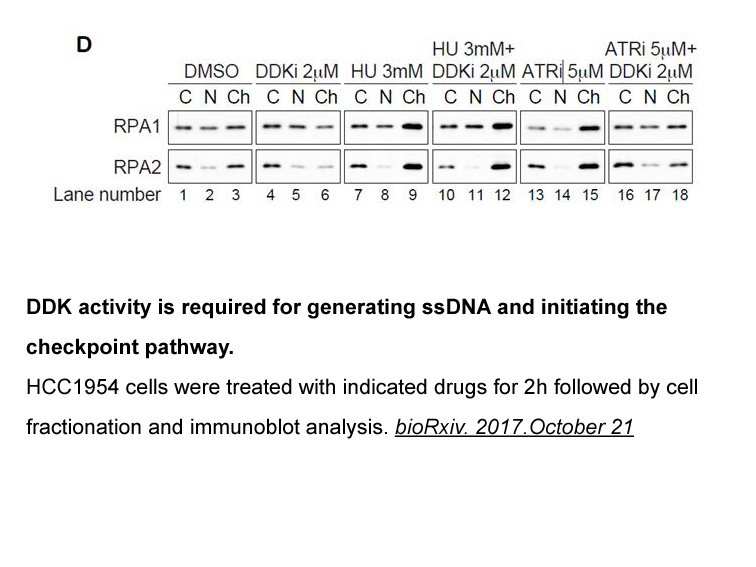
Conflicts of interest Acknowledgements This work was sponsored by grants from Longyan University Scientific Research Fund for the Young Scholars (LQ2016010), Middle-aged and Young Teachers Education Research Projects of Fujian Province (JAT170569), Longyan University Scientific Research Fund f
br Conclusions br Acknowledgments The authors are thankful t
2023-01-04

Conclusions Acknowledgments The authors are thankful to Hugo Santos, Olga Martinez and Ricardo Lacerda for the technical assistance provided in the maintenance of the aquaria. This work was supported by national funds, through FCT and co-funded by the European Regional Development Fund (ERDF)
A-674563 In another study authors found
2023-01-04
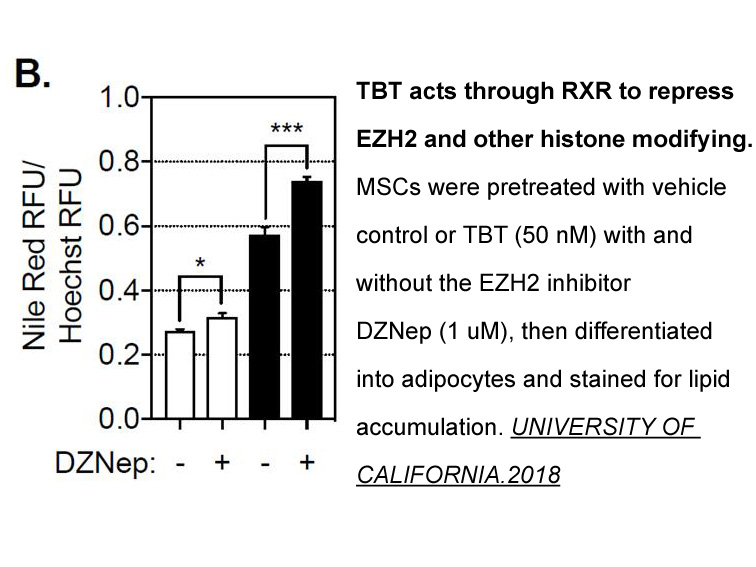
In another study, authors found that ADORA1 were present on the intrinsically photosensitive retinal ganglion A-674563 (ipRGCs), and application of adenosine to rat retinas reduced light-evoked spiking of ipRGCs through suppression of a cAMP-mediated pathway (Sodhi and Hartwick, 2014). The ipRGCs a
Brain damage diseases such as cerebral ischemia brain trauma
2023-01-02
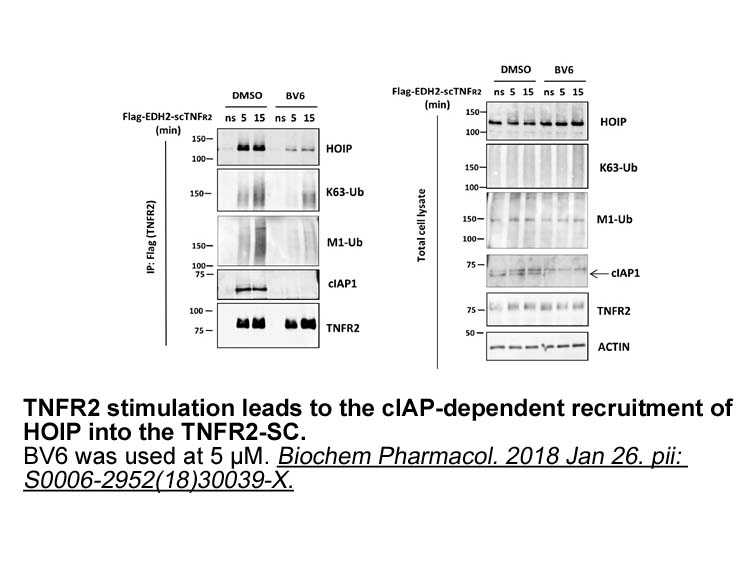
Brain damage diseases, such as cerebral ischemia, brain trauma and infection are characterized by the increase in oxygen free radicals. Therefore, deeper understanding of the character and mechanism of free radical damage in the brain is important to ultimately relieve diseases and promote recovery
The gene SRD A encodes the reductase enzyme which
2023-01-02
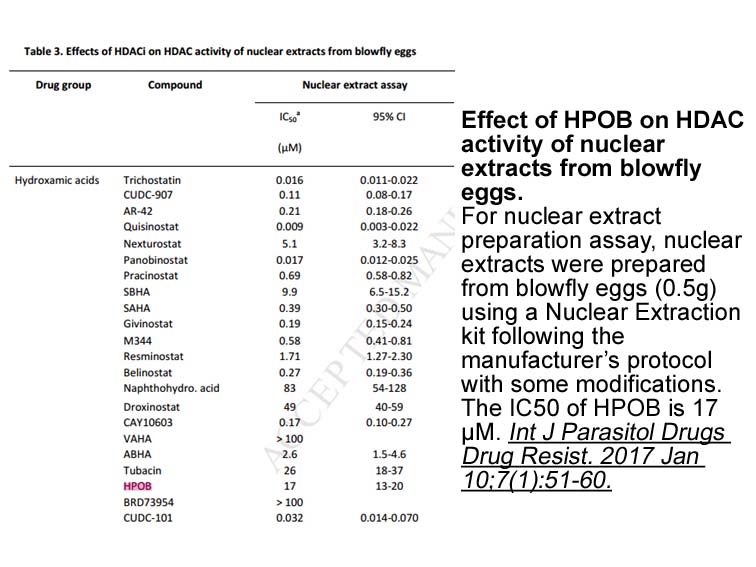
The gene SRD5A2 encodes the 5-α-reductase enzyme, which converts testosterone into dihydrotestosterone. Although dihydrotestosterone levels are considerably lower than testosterone, dihydrotestosterone has a five-fold stronger binding capacity to the androgen receptor and, thereby, a considerably mo
br The Molecular Machinery of Autophagy and Regulation by
2023-01-02
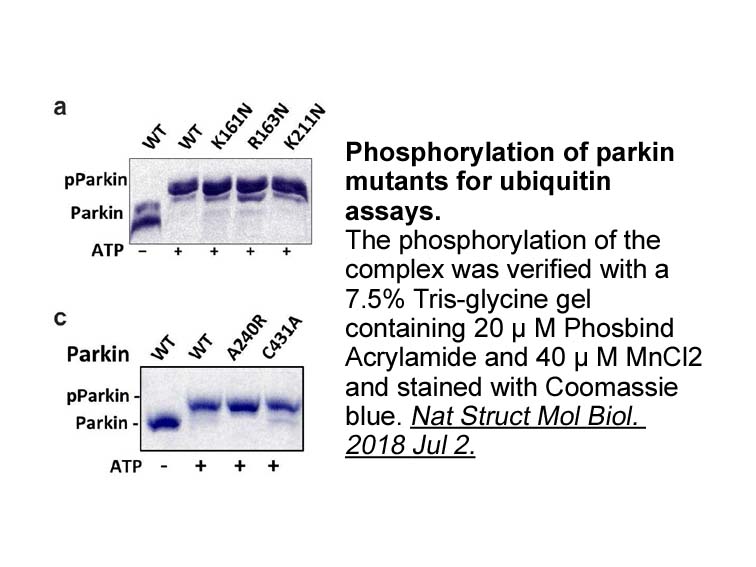
The Molecular Machinery of Autophagy and Regulation by Sphingolipids Sphingolipid-Mediated Autophagy in Cancer: Dr. Jekyll and Mr. Hyde Autophagy is an evolutionarily conserved stress response that typically promotes survival and antagonizes apoptosis. However, excessive autophagy was found to
Herbal medicines have been used to treat various types
2023-01-02
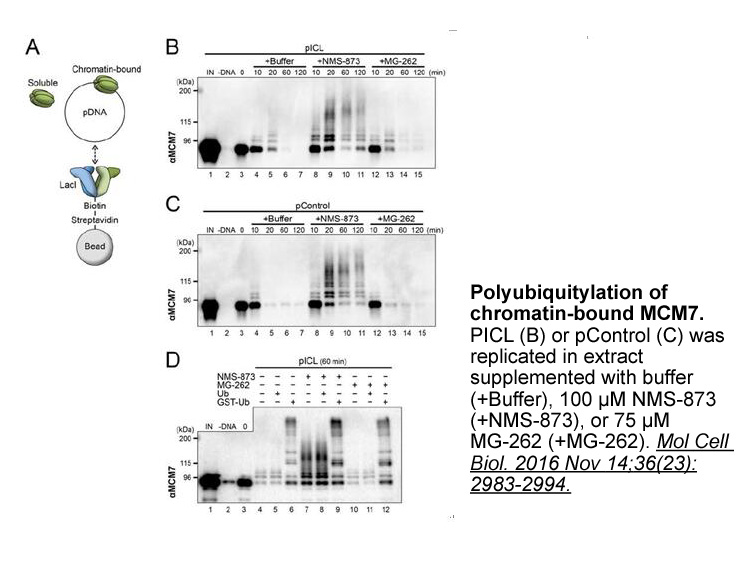
Herbal medicines have been used to treat various types of diseases and disorders for thousands of years worldwide (Li and Brown, 2009). Natural products have been the remedy of cancer chemotherapy for the past several decades. Anisomeles indica (L.) Kuntze. (Labiatae), commonly known as 'yu-chen-ts
To further address the mechanism of Didox s suppressive effe
2023-01-02
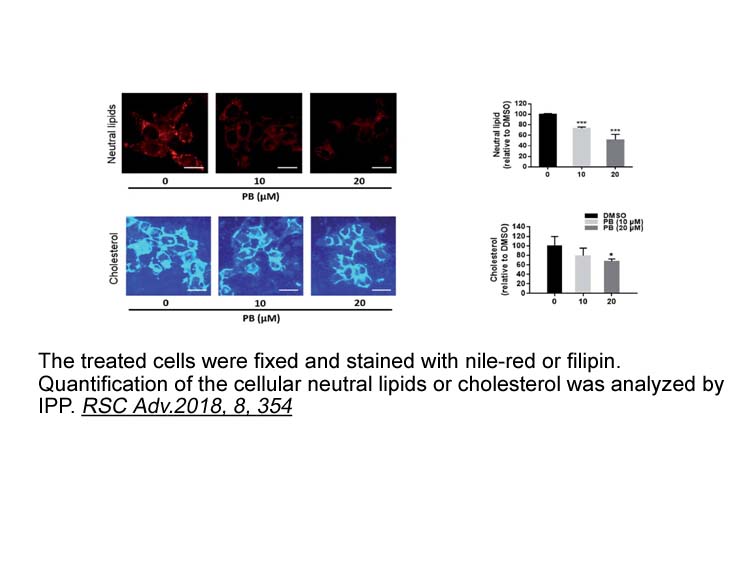
To further address the mechanism of Didox’s suppressive effects on mast cell activation, FceRI receptor Clofarabine and downstream transcription factor induction were assessed. We found that Didox had no effect on FceRI surface expression, and thus concluded that Didox effects must be occurring dow
br STAR Methods br AMPK
2023-01-02
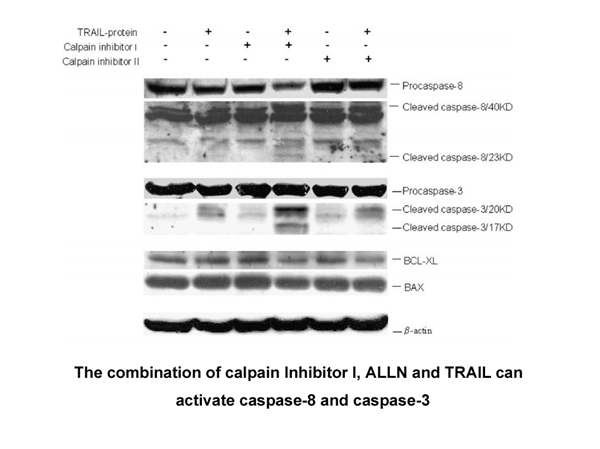
STAR★Methods AMPK: A Therapeutic Target in the β Cell? Loss of pancreatic β cell function is a hallmark of the transition to a diagnosis of T2DM (see Glossary) 1, 2, 3, 4. AMPK activation has gained attention for the treatment of hyperglycemia in prediabetes as an insulin-sensitizing agent bec
br Introduction The development and plasticity of synapses
2023-01-02
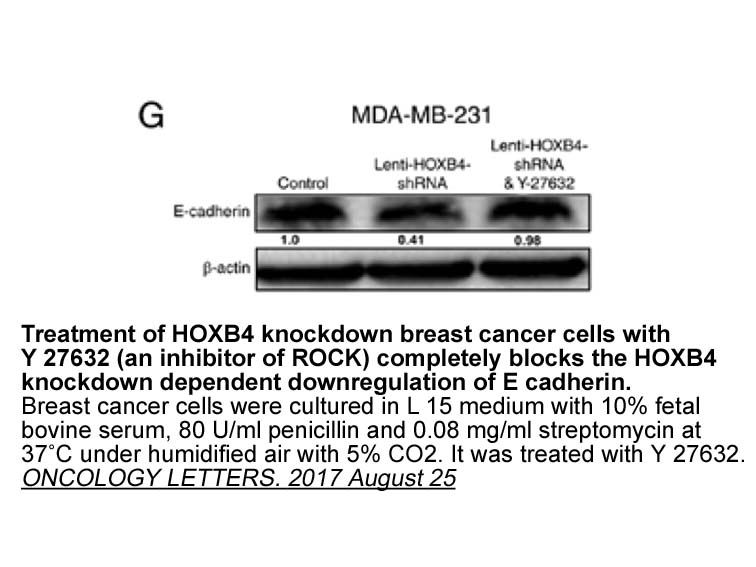
Introduction The development and plasticity of synapses involve the timely recruitment of a plethora of proteins on both pre- and postsynaptic sides through ill-defined mechanisms. At excitatory synapses, two of the major proteins that are dynamically recruited postsynaptically are the Ca2+/calmo
Since HETEs and lipoxins the downstream products of LOX
2023-01-02
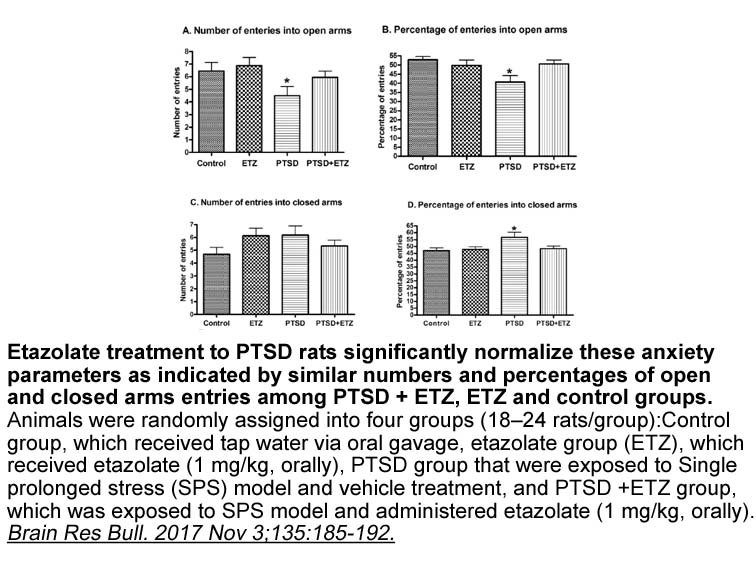
Since HETEs and lipoxins, the downstream products of 12/15-LOX from AA, may alter cellular proliferation and apoptosis,31, 32 and possibly explain the increase of tumour progression and metastasis. However, we here found that HETEs did not affect the proliferation of melanoma in vitro. This may part
br Serine glycine and one carbon metabolism Altered serine
2023-01-02

Serine/glycine and one-carbon metabolism Altered serine metabolism in tumors was noted nearly half a century ago, and elevated flux through the de novo serine synthesis pathway (SSP) is a common phenomenon in cancer Fosmidomycin sodium salt [43]. The SSP branches from glycolysis at the point of
The relationship between AG and tau deposition in
2023-01-02
The relationship between AG and tau deposition in the presence of Aβ burden warrants more research in AD and in other primary tauopathies (not associated with accumulation of Aβ plaques). Our findings highlight the importance of measuring AG, as this relationship was not evident for total opioid rec
br Acknowledgements The authors would
2023-01-02
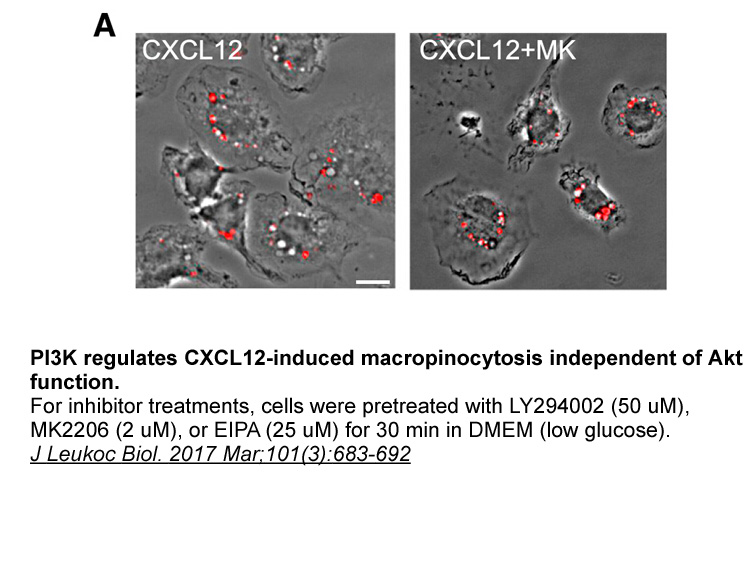
Acknowledgements The authors would like to thank Dr. Bradford B. Lowell for providing us with β-less and WT breeding pairs. Funding sources: This work was supported by NIH Grant DK028082 (to E.M.F) and by an Institutional Research Training Grant NRSA 5T32DK751627 (to N.D.). Introduction The e
Subsequently Palvimaki et al corroborated
2023-01-02
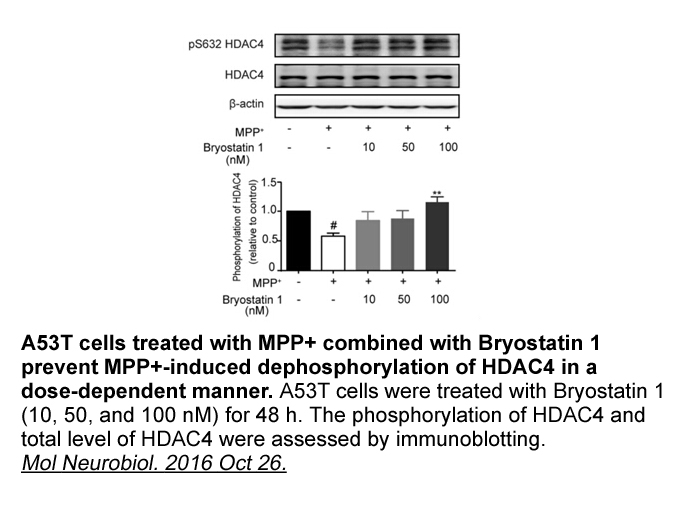
Subsequently, Palvimaki et al. (1999) corroborated Ni and Miledi's study by demonstrating that treatment with fluoxetine leads to 43% occupancy of the 5-HT2C receptors. Moreover, the affinity of fluoxetine for 5HT2C receptors (Ki 65 nM) is close to its affinity for 5-HT transporters (Ki 33 nM) (Ni a
8435 records 400/563 page Previous Next First page 上5页 396397398399400 下5页 Last page